

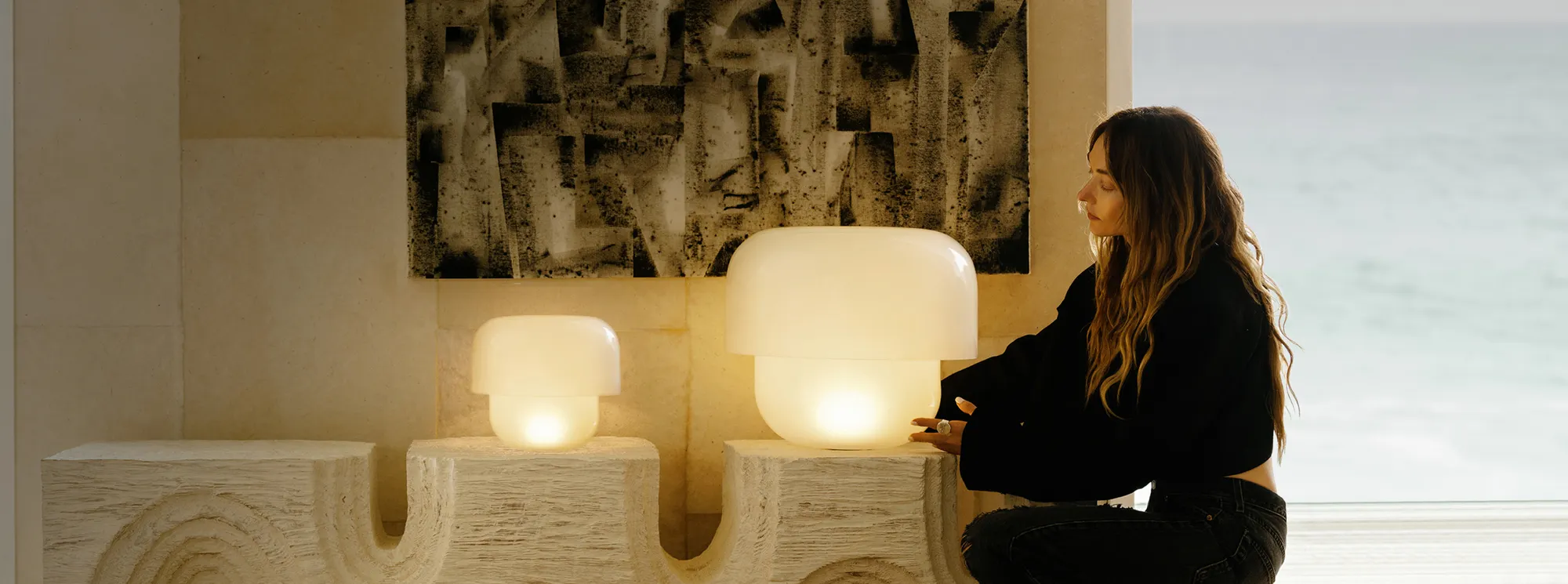
For too long, lighting was the “final touch”: the last thing homeowners thought about before moving into a new space. As a lighting and design director, I can tell you that those days are officially over. 2026 marks a fundamental shift. Lighting is no longer a utility; it drives interior design.
Treat lighting as an afterthought, and you build a beautiful stage then leave it in the dark. This year’s trends from our elite suppliers prove one thing: the best homes don’t just decorate they illuminate with intention.
Here is a deep dive into the 2026 lighting trends that are redefining how we experience our homes, from sculptural art pieces to biological wellness.
Trend 1: Sculptural & Functional Art (Arteriors’ Organic Shapes + Hand-Blown Glass)
In 2026, the line between a “light fixture” and a “work of art” has completely blurred. We are moving away from safe, invisible choices toward lighting that demands a conversation. This trend is about fixtures that look just as stunning when they are turned off as they do when they are glowing.
Designers now choose “Functional Art” fixtures that deliver light and command attention. Arteriors is a standout for 2026, especially where organic silhouettes and hand-blown glass are concerned. The appeal lies in imperfection: soft asymmetry, fluid forms, and glass that catches light with unpredictable depth.
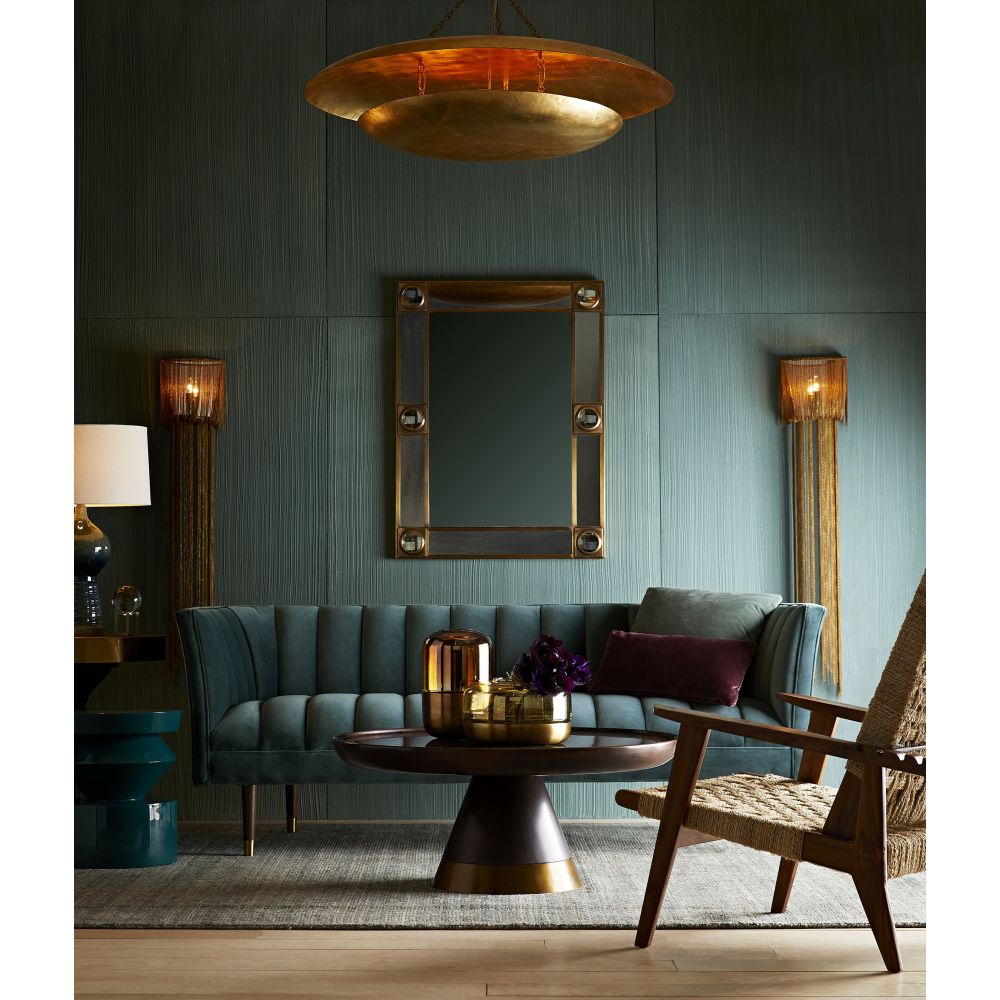
As a lighting expert, I know that one bold, sculptural Arteriors-style glass piece can do more for a room’s character than an entire suite of expensive furniture. It gives you a focal point in the daytime and a glow-object at night—without needing to “decorate around it.”
Trend 2: Hyper-Tactile Materials and Sensory Finishes (Glass, Texture, and “You Can Feel It” Details)
We’ve moved past the era of generic brushed nickel and flat plastics. The 2026 aesthetic is deeply rooted in tactility. People want to touch their environments. We are seeing a massive surge in materials like hand-blown glass, textured ceramics, and raw stone-like finishes that make a room feel designed, not “installed.”
Within our supplier lineup, Arteriors is a key driver of this shift—especially through hand-blown glass and nuanced, irregular forms that create natural diffusion instead of harsh glare.
This focus on texture creates a cocoon-like atmosphere. When light hits a tactile surface, it creates micro-shadows that add depth and richness to your residential lighting design. The goal is to move away from sterile environments and toward restorative sanctuaries.
Trend 3: Human-Centric Design & Integrated Tech
This is where the science of light meets the art of living. Human-centric lighting (HCL) is the practice of mimicking the natural cycle of the sun to support our biological clocks. In 2026, this isn’t a luxury; it’s a wellness necessity.

We are seeing a move toward discrete architectural lighting design where the source of light is hidden, but the effect is transformative.
- Soul LED Tech + Design are perfecting the art of “invisible” light: recessed channels and micro-linears that guide the eye without creating glare.
By using tunable white technology, your kitchen can have crisp, energizing light at 8:00 AM and transition to a warm, candle-like glow by 8:00 PM. This isn’t just about “smart bulbs”; it’s about a fully integrated system that understands how you live. For those unsure where to start, a virtual lighting consultation can help map out these technical layers.
Trend 4: The Resurgence of Layered Lighting (Visual Comfort Signature Collection Elegance)
If I could banish one thing from modern homes, it would be the “sea of downlights.” Relying solely on recessed ceiling lights is a recipe for a flat, uninviting space. The 2026 trend is a return to masterful layering—and no one sells the “finished look” quite like Visual Comfort.
A well-designed room requires at least three layers:
- Ambient: The general “fill” light.
- Task: Focused light for reading, cooking, or working.
- Accent: Light that highlights art, architecture, or texture.
The Visual Comfort Signature Collection is where 2026’s “refined elegance” shows up in real life: tailored silhouettes, elevated finishes, and proportions that read as intentional—never bulky. They provide the “jewelry” (the decorative sconces and pendants) that pairs perfectly with the functional layers. The most common mistake I see is a lack of verticality: you must have light at eye level to feel truly comfortable.
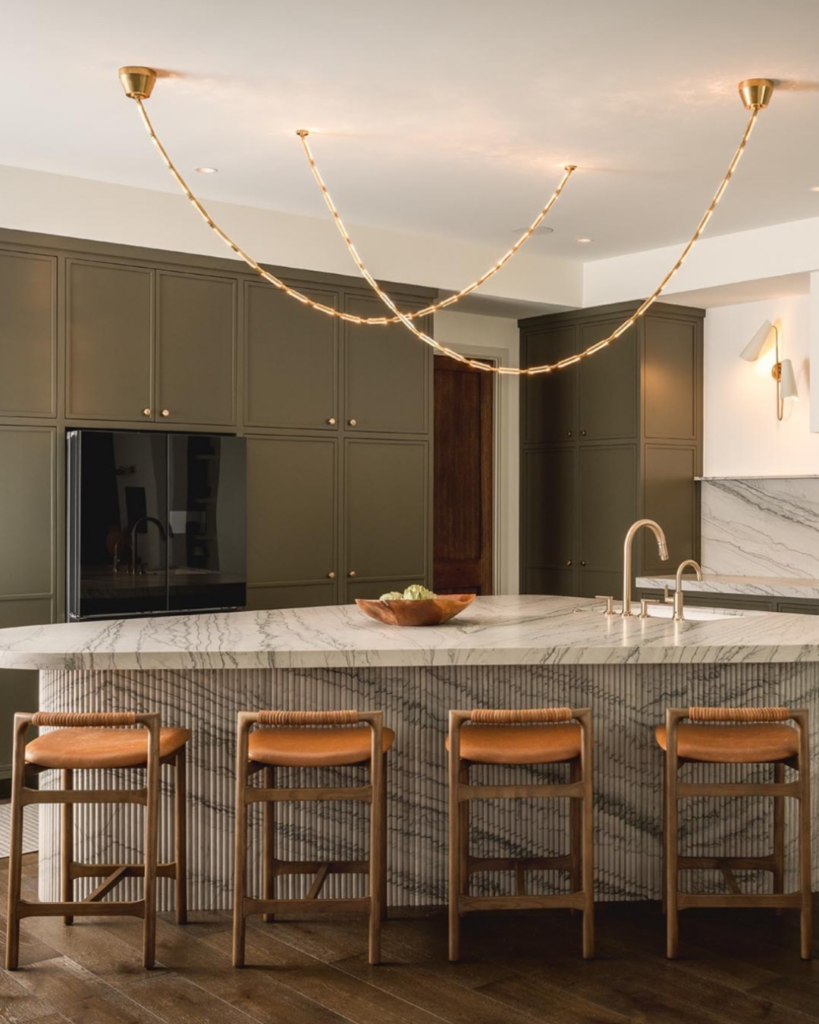
Sconces are seeing a massive resurgence in living rooms and bedrooms, providing a softer alternative to overhead glare. This transition from “utility” to “atmosphere” is what separates a house from a home. You can read more about why this planning is crucial in our guide on why lighting should be planned before you build.
Trend 5: Nature-Inspired Forms with a Modern Edge (Eurofase Ecrou + Biophilic Influence)
Biophilic design is reaching its peak in 2026. We are seeing a departure from cold, industrial metals in favor of nature-inspired forms and finishes that feel grounded, warm, and human. This trend is about bringing the outside in—without turning your home into a themed space.
Eurofase is a key name to watch here, especially with the Ecrou collection and their broader nature-inspired pieces. Think: sculptural forms with an organic rhythm, softened geometry, and details that feel pulled from the natural world—branches, vines, and stone-like texture—translated into clean, modern lighting.
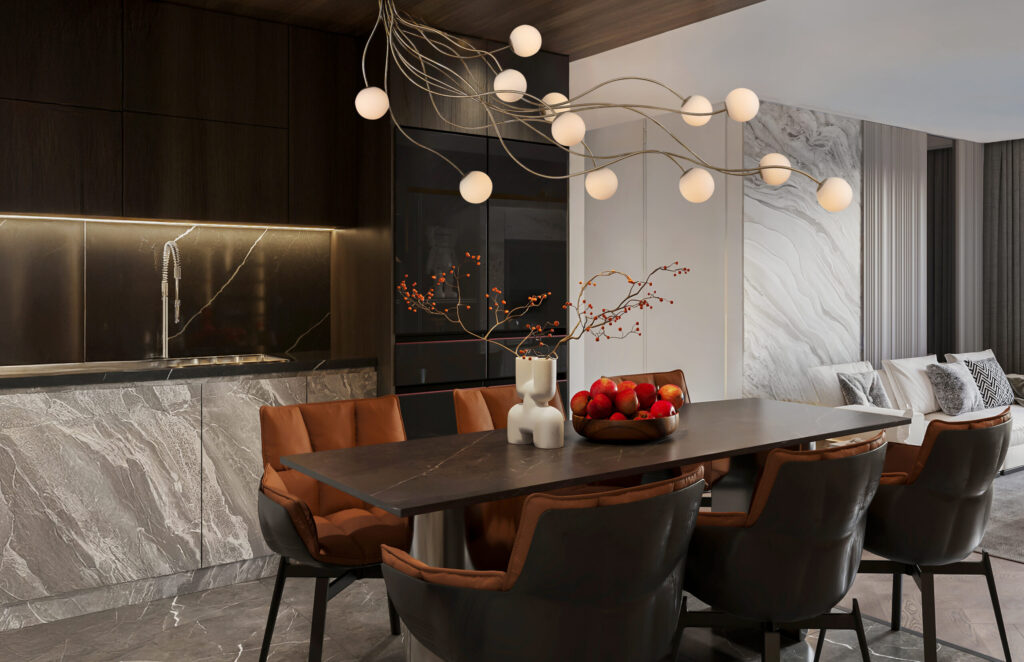
Using organic forms in your residential lighting design creates an immediate sense of calm. It softens the hard angles of modern architecture and connects us to the natural world—while still looking elevated and current.
The Problem: Why Trends Fail Without a Plan
It is easy to fall in love with a beautiful pendant from a catalog, but a common frustration I hear from clients is: “It looked great in the photo, but it doesn’t work in my room.”
This happens because lighting is contextual. A stunning fixture in the wrong position: or at the wrong color temperature: can actually detract from your interior design. Lighting is a technical discipline hidden inside an aesthetic shell.
This is why an intentional lighting plan is the most important investment you can make during a renovation or build. Whether it’s an on-site consultation or a detailed digital layout, having an expert eye ensures that these 2026 trends actually work for your specific lifestyle and architecture.
Moving Toward a Luminous Future
The 2026 trends tell us one clear thing: we are tired of “flat” living. We want homes that feel alive, that respond to our moods, and that reflect our personal style through bold, sculptural choices.
Lighting is the only element in your home that affects every other element: your paint colors, your fabric textures, and even your own well-being. By embracing these shifts toward sculptural forms, tactile materials, and human-centric tech, you aren’t just upgrading your fixtures.
You are elevating your life.
Don’t let your home stay in the dark.
Explore the possibilities.
They’re illuminated with intention.